
The cucumber supply chain
The cucumber chain
Best practices at each step of the fresh supply chain have a strong influence on the postharvest quality and shelf life of cucumbers. Applying appropriate harvest practices, handling procedures and storage conditions is essential to maintain required quality standards for consumer expectations and market value. Failure to follow these practices may result in rapid quality deterioration, reduced shelf life and increased food loss. Each step in the supply chain affects the success of the subsequent steps.
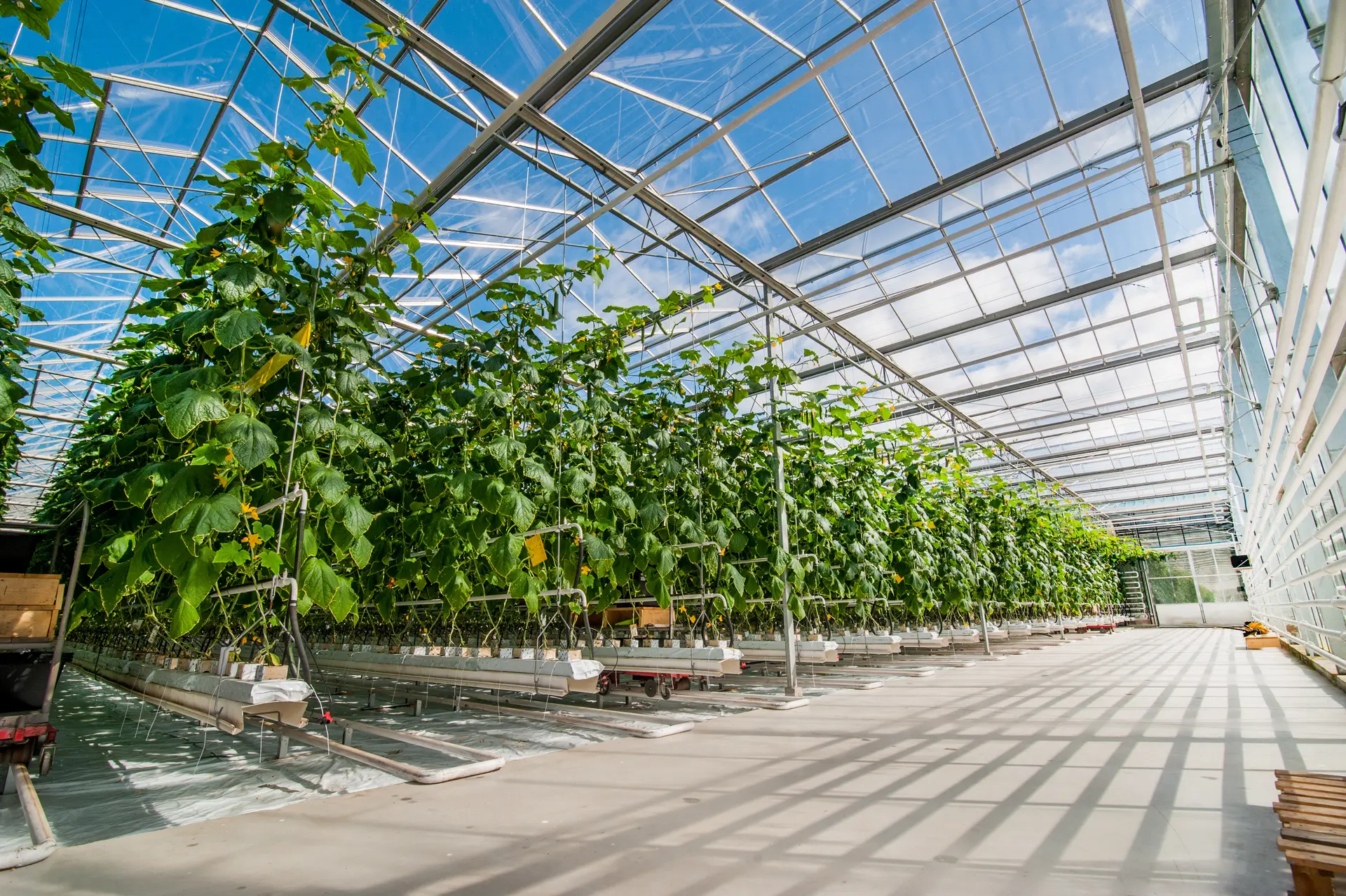
Cucumbers are warm-season crops that are produced worldwide under both open-field and protected cultivation systems. Major production areas include China, Europe, Turkey, and Mexico, which supply both local and international markets. Cucumbers are harvested immature, at a physiologically developed but unripe stage, and are intended for rapid marketing and not for long-term storage.
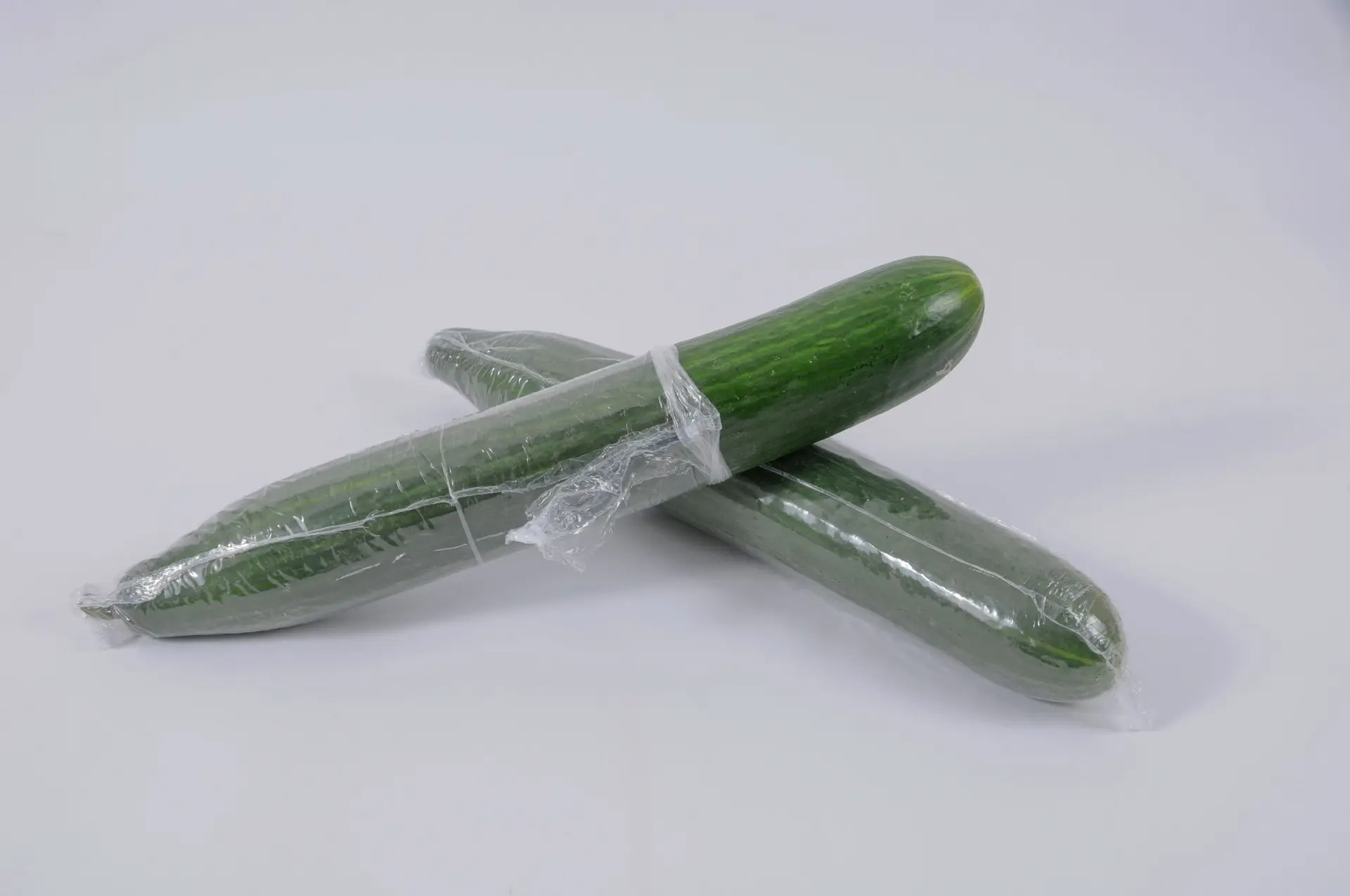
Ideally, the packhouse is located close to the production site, allowing fast transport after harvest and prompt temperature management. After arrival at the packhouse, cucumbers are unloaded and subjected to grading, sorting and packing operations. Proper packaging and short value chain is essential to reducewater loss ( Plastic bags and shrink foil | Freshknowledge). Strict temperature and relative humidity control is necessary throughout transport, distribution and retail to optimise shelf life performance.A continuous, well-managed value chain is essential to maintain optimal firmness, green colour and overall quality until purchase by the consumer.
Steps in the cucumber supply chain
Harvest
Cucumbers should be harvested at the correct commercial maturity, ensuring appropriate size, colour and firmness, according to the cultivar. Cucumbers must often be straight and of even diameter, length, and colour. Harvesting should be done using a sharp knife, leaving a short peduncle, and cucumbers should never be pulled from the vine. Careful handling during harvest is crucial, as cucumber skin is highly sensitive. To mechanical damage, plastic crates are used for harvesting. Transport to the packhouse should follow immediately after harvest to remove field heat and limit moisture loss ( Temperature management | Freshknowledge).
Packhouse
Handling in the packhouse should be kept to a minimum to reduce the risk of mechanical damage. Nevertheless, essential operations include sorting, grading and packing. Defective, damaged, misshapen or over-mature cucumbers should be removed, as their presence can negatively affect overall lot quality. Grading allows cucumbers to be classified according to size, shape and quality class, supporting uniformity and compliance with market standards. In practice, cooling commences directly after packing.
Temperature management
Rapid and correct temperature management is essential for cucumbers. Cooling slows down respiration, reduces water loss and delays senescence. However, cucumbers are sensitive to chilling injury and should not be stored below 7 °C, depending on cultivar and storage duration. Forced-air cooling can be used, but excessive cooling time or air speed should be avoided to prevent dehydration. Measure product temperature to determine end point of forces air cooling. Room cooling requires much more time to reduce product temperature and does not result in maximum shelf life ( Conditions and product characteristics | Freshknowledge).

Transport
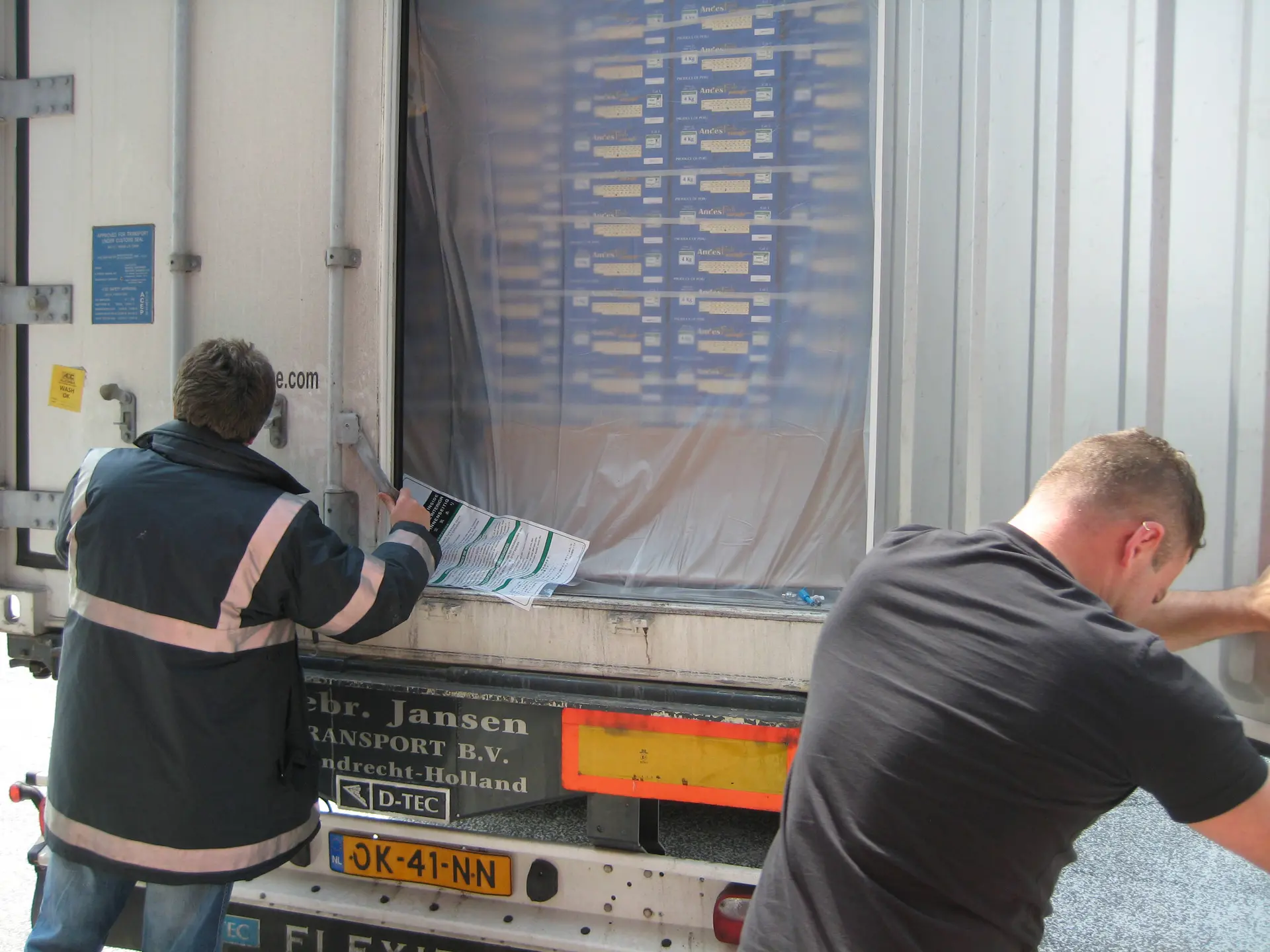
Before loading, cucumbers should be pre-cooled to their recommended transport temperature. During transport, temperature must be carefully controlled to limit dehydration and chilling injury. Transport temperature settings depend on transport duration, with higher temperatures tolerated for short transport periods. A continuous cold chain without temperature fluctuations is important to prevent condensation, softening and decay. Cucumbers are generally transported by refrigerated trucks or containers; air transport is limited and mainly used for longer supply chains.
Export
Export markets require specific quality, size and packaging requirements for cucumbers. Prior to entering a new export market, regulations regarding grading standards, labelling, packaging materials, pesticide residues, phytosanitary measures and certifications, such as EUREP- GAP, BRC, organics, should be carefully evaluated. Compliance with these requirements is essential to ensure market access and maintain product value.
Importers and retail
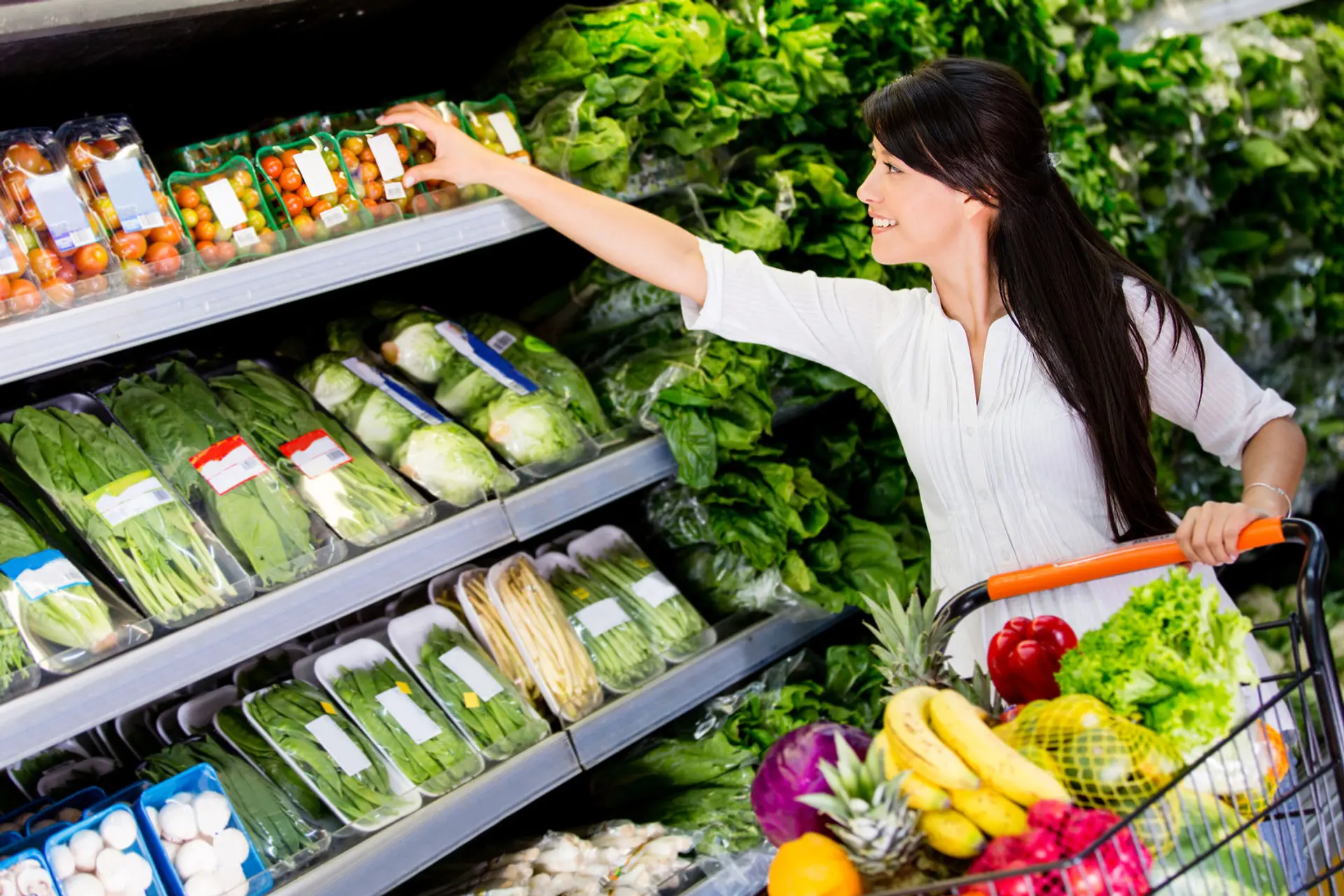
The main focus is on maintaining appropriate temperature and high relative humidity to preserve firmness and green colour. Current cultivar often do not produce much ethylene. However, older cultivarcan be sensitive to ethylene and should not be stored or displayed together with ethylene-producing products such as tomatoes. At retail, cucumbers may be displayed at ambient temperature with or without shrink-wrapped, but quality deterioration continues when unpacked. Research is currently done to remove the use of plastic packaging while keeping the cucumber’s quality to ensure consumer’s satisfaction.