Understanding quality traits of fruit
As consumers we have all experienced the joy of eating good and bad quality fruit. There is no arguing for taste, but what is “quality”? From farm to fork, specific quality traits are used to determine harvest maturity, for sorting and grading purposes, to check and predict how quality develops in the chain, for food safety regulations compliance and to estimate the use by consumers. While some of these traits can be determined without damaging the fruit, others require the fruit to be sampled.
External quality aspects
Some quality aspects can already be determined by looking at the outside of the fruit. Such aspects are for example the colour of a fruit, the shape and size of a fruit, or the presence of defects or disorders
Harvest maturity
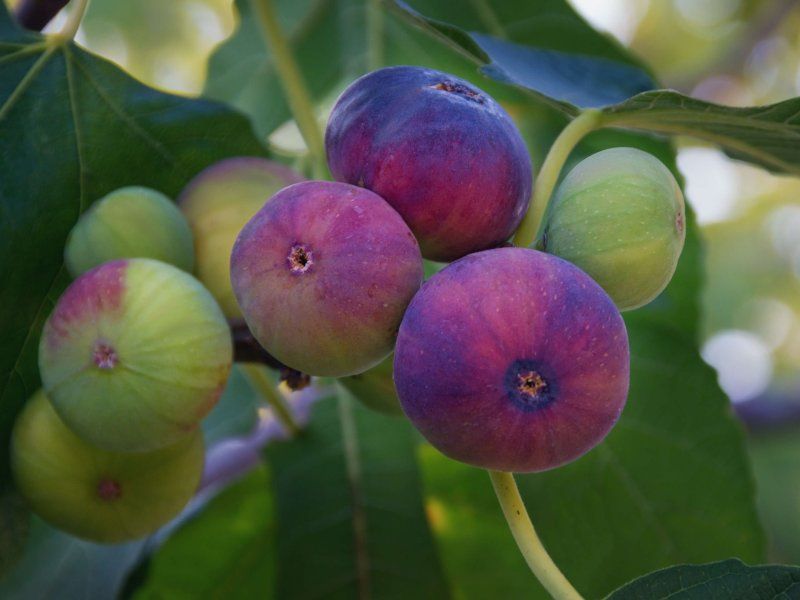
Colour is often used to assess the maturity of the fruit at the moment of harvest. Only fruits that are mature enough, and hence have the correct colour, are harvested. Depending on fruit type, other harvest moment indicators are used, such as firmness, shape or size, %dry matter, sugar/acid content, etc.
Sorting and Grading
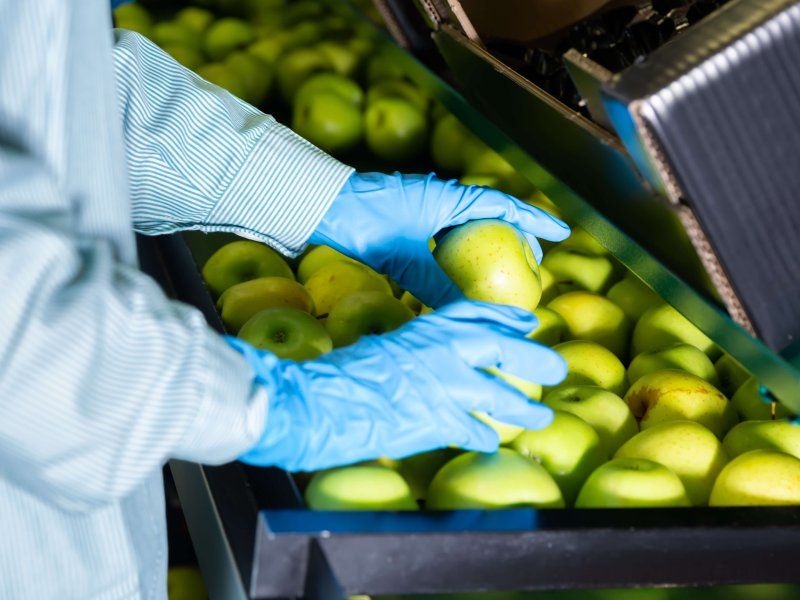
External aspects (colour, shape, size, visible disorders and defects) are checked at sorting and grading lines.
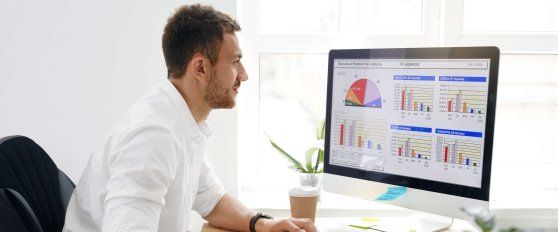
Quality monitoring
When the quality is assessed for monitoring (e.g. during storage) and prediction purposes, firmness, colour and internal and external disorders and defects are mostly taken into account.

Consumers in the store
Consumers look for good looking fruit. Colour, size, shape, and the absence of external defects and disorders play an important role in the decision of the consumer to buy the product.
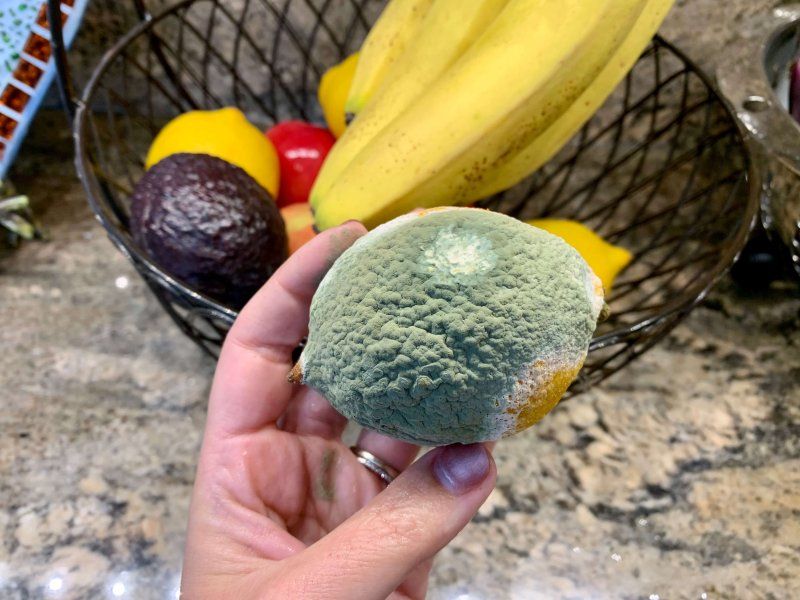
Consumers at home
When the consumer wants to eat the fruit that was bought in the shop, they (unconsciously) typically look again at the colour, size, shape, and absence of defects and disorders, also internally. When a product does not look like expected, the consumer may decide not to eat the product.
Internal quality aspects
Some quality aspects cannot be seen at the outside of the fruit. Examples are firmness, mealiness, juiciness crunchiness, dry matter content, weight, starch content, sweetness, acidity, aromas and flavours, internal defects and disorders. Some of these quality aspects can be measured in a non-destructive way, but for others, the fruit has to be cut to assess it.
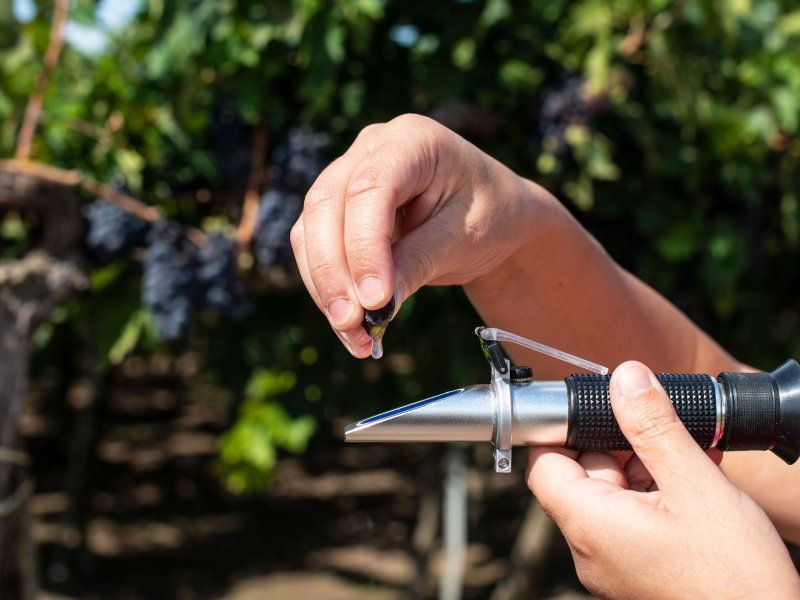
Harvest maturity
Firmness, sweetness, starch content, dry matter content and acidity are typical quality aspects that are measured to determine if a fruit crop has the optimal maturity to be harvested. Ever more frequently, non-destructive sensing technology is used for this purpose, such as handheld NIR devices.
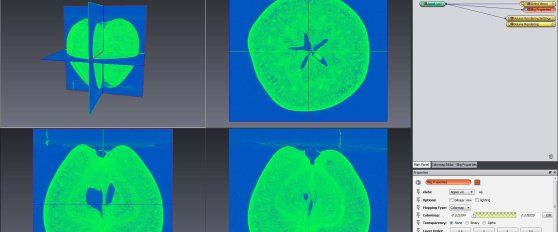
Sorting and grading
At the moment of sorting and grading, the occurrence of internal defects and disorders is an important quality criterion. At this time, only top-end sorting lines are able to sort on internal quality aspects.
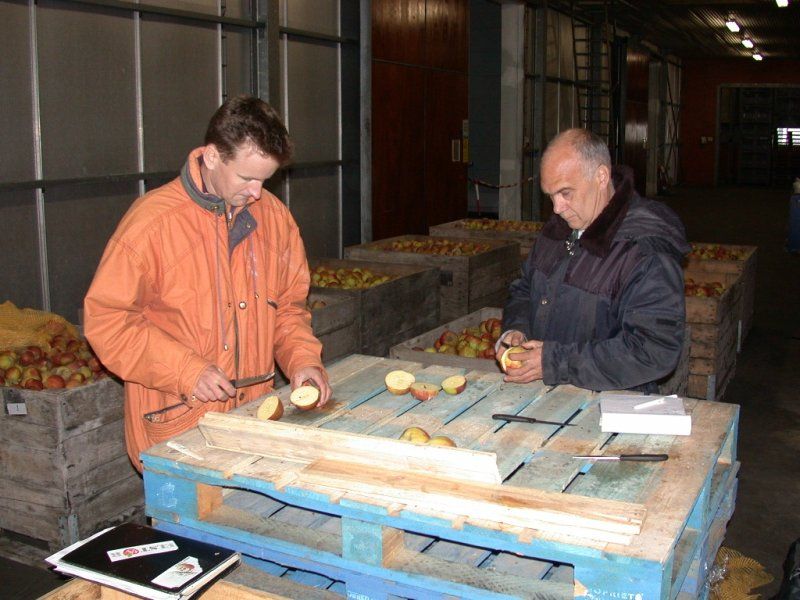
Quality monitoring
Firmness and colour of the fruit and the occurrence of in- and external defects and disorders are important indicators of the remaining shelf life of a harvested crop. Secondary are other textural aspects, such as mealiness, juiciness, crunchiness. Sweetness and acidity may be taken into account as well.For storage purposes, the weight loss is an important quality indicator as well.
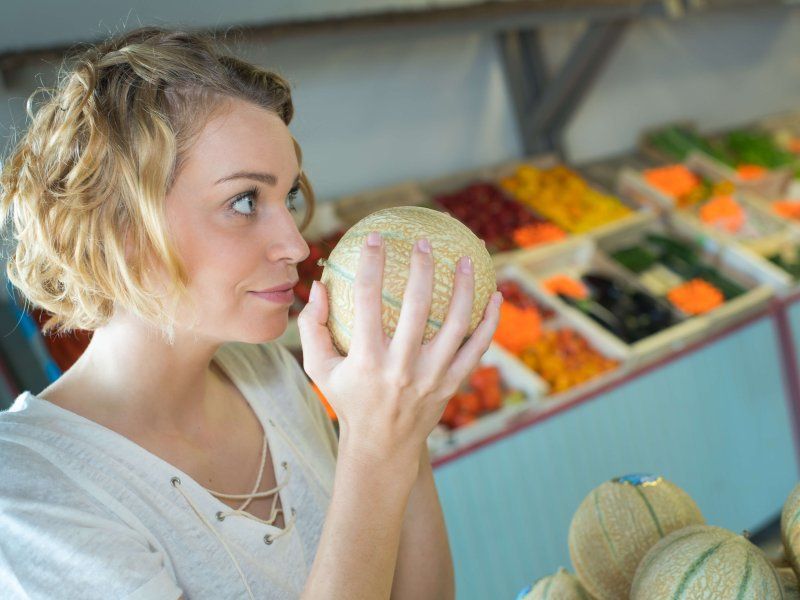
Consumers in the store
Consumers in the store may see the colour and smell the aroma of the fruit (strawberries, melons) to get an indication of the ripeness and hence the quality and taste. The other internal quality traits are impossible to check for the average consumer in the store without mishandling the products.
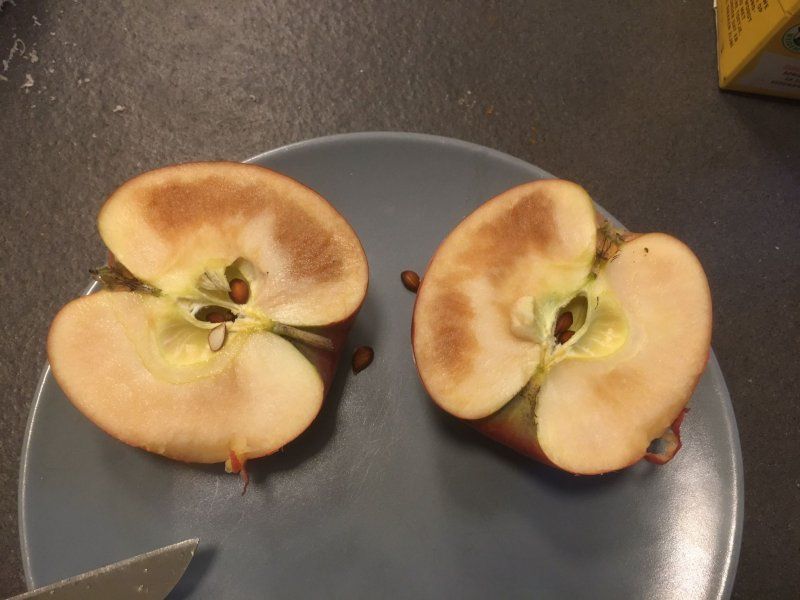
Consumers at home
At home, the proof of the pudding is in the eating: all internal quality traits that have to do with taste, smell and mouthfeel are important for the consumer. This means that firmness, mealiness, juiciness, crunchiness, sweetness, acidity, aroma and colour are all important quality traits for the consumer. Moreover, the absence of internal defects and disorders is important as well for a full appreciation of the fruit.
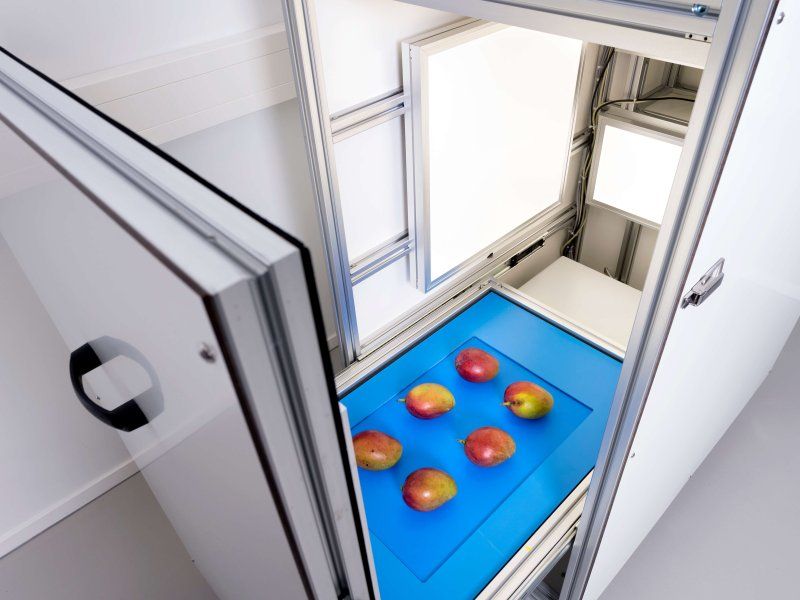
Quality measurements
Typically, quality traits can be measured either non-destructively (by looking, feeling, weighing, smelling) or destructively (by cutting, tasting, grinding).
In recent years, more and more sensors are becoming available to measure fruit quality non-destructively. This enables full batch sorting on specific aspects and has the great advantage that fruits can still be sold after inspecting them.
Well-known examples of non-destructive quality measurement methods are the use of cameras (for colour and external defects) and NIR or hyperspectral sensors (for internal damage, sugar and dry matter content). Ethylene or other (aroma) gas detection sensors are used for batch monitoring in storage and transport as marker for ripening, and/or defects/disorders.
More information?
Wageningen Food & Biobased Research is a contract research organization that works together with companies, government authorities and other knowledge institutes. Postharvest consultancy is one of our areas of expertise.
Do you want to know more about dealing with ethylene and ripening? Please contact our experts.