
Transport practices for mango
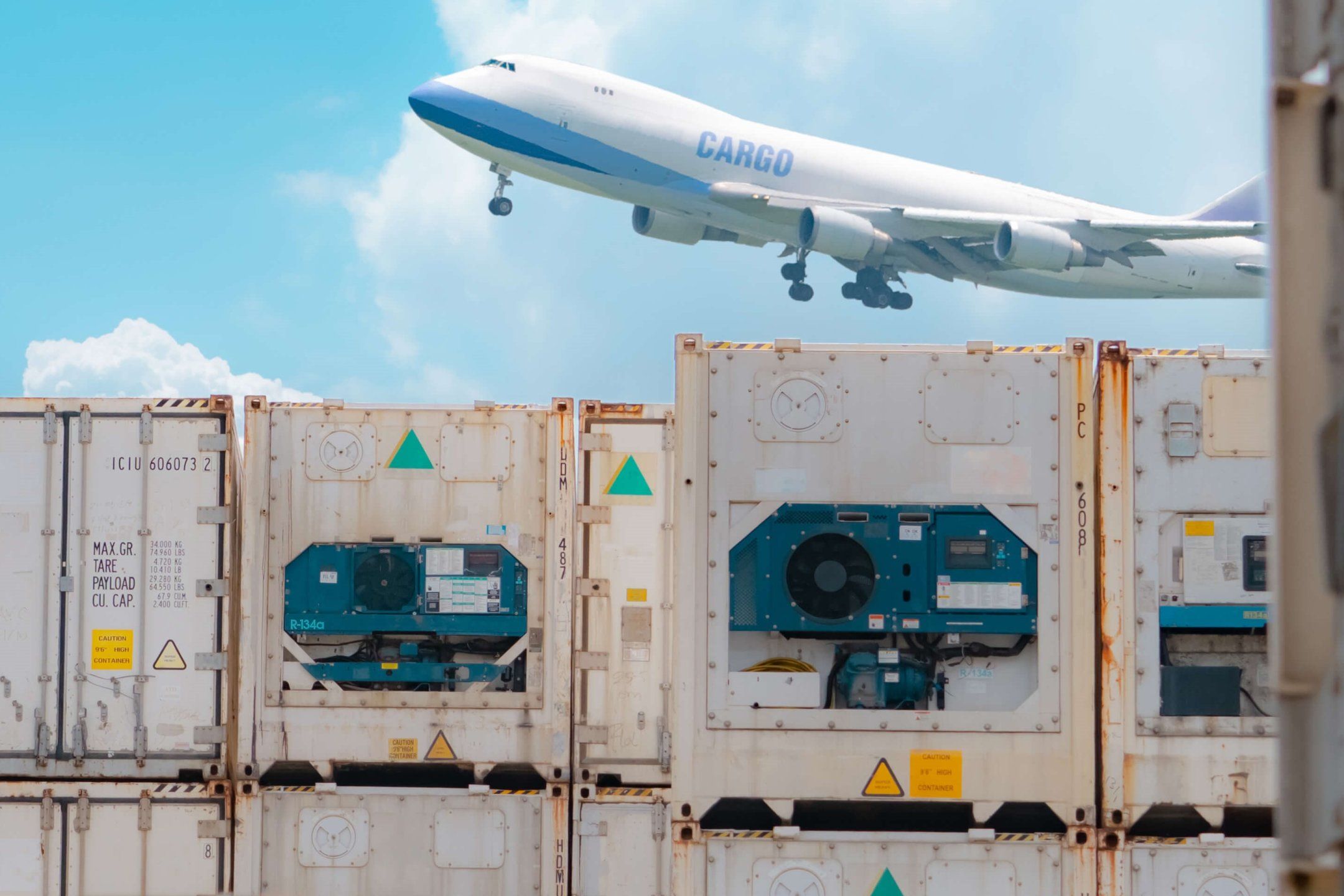
Transport of fresh products like mango generally takes place in (refrigerated) trucks, reefer containers, or by plane. Checks and proper loading are always important to maintain good (temperature) conditions for the product during transport. For fresh products, refrigerated transport is often necessary. Trucks and reefers can maintain a low temperature, but do not have enough cooling capacity to lower the product temperature. Therefore, products must be pre-cooled before entering the refrigerated truck or reefer. During transport and waiting periods, the load must be well covered to protect against dust, sun and rain. Careful driving and handling are essential to prevent damage to produce from mechanical actions.
Proper transport conditions
The pick-up of mangos from the orchard should follow soon after harvest because it is essential that mangos, especially for overseas shipment, are cooled as soon as possible. Therefore, delays between harvest and cooling should be avoided. After cooling in packhouse, they can be transported further in refrigerated trucks or reefer containers. The best transport temperature for mangoes depends on variety, production area and the season, it is usually in the range between 8 and 12 ºC. The optimum humidity would be around 90% RH. The temperature during transport should be kept constant to reduce condensation. Higher humidity or condensation may encourage the growth of moulds.
Transport steps in the chain

Loading at the farm
Upon pick-up, the crates or other packaging must be stacked carefully and tightened to ensure they do not shift or fall-over during transport. In the case of larger trucks and loads that do not fully occupy the truck floor, the tightening must be done by placing (pallet-)edge protectors at the edges of a batch of stacked field crates. Especially for warm loads (picked up at harvest), air ventilation through the stacks should be warranted.
Loading after pre-cooling
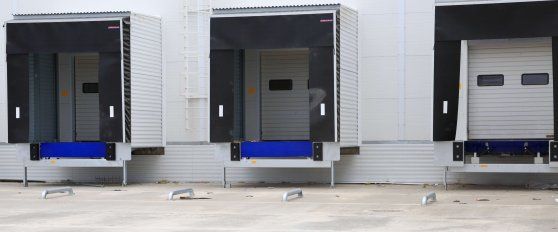
The loading must be realized preferably from a climate-controlled loading dock via “cold tunnels” into the truck or reefer. This prevents ambient air from entering the pre-cooled reefer container, truck, or the climate-controlled loading dock. Apart from maintaining the mangos at the desired low temperature, this is important in order to avoid condensation, which will occur when warm moisture-laden air enters the reefer container or truck.
Stacking of refrigerated truck or reefer
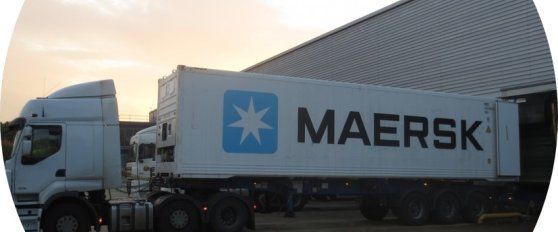
In reefer containers, with bottom-air delivery system the cargo must be stacked as a solid block with only little space between the cartons and the reefer container wall to avoid short–cycle airflow. Also do not stow above the red line at the reefer wall. Pay also attention to the coverage of the open floor and forklift pocket openings pallets in the rear.

Air transport
The volumes of mangos which are transported by air is small. It is used for top or high market segments to deliver tree ripened mangos. The tree ripened mangos have superior taste and sweetness, but short shelf-life. For transit at the airport, foil laminated thermal blankets can be used to cover a whole pallet if cold chain temperature cannot be guaranteed.
Temperature logging
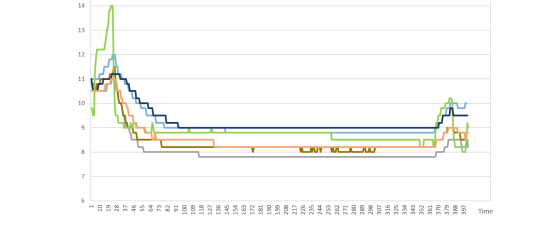
The cold chain should not be broken and best remains in the range of 8 to 12 ºC, depending on variety and maturity. Lower or higher temperatures can easily result in loss of quality. Cooled mangos that are re-warmed when the cold chain is broken, can have condensation on the fruit. This will increase their susceptibility to fungal decay. Good quality control during transport includes temperature logging.

Unloading
Unload carefully to avoid handling damage. The pallets (or other packaging) with mangos must be moved directly to a cold storage. When pallets are moved to the cold storage upon unloading, it is recommended to sample fruits for inspection before stowing the pallets in the cold storage. Visual appearance of mangos, but also of packaging and pallets can be documented via photographs.