RESEARCH RESULTS
Sustainable Packaging based on Side Stream Starches
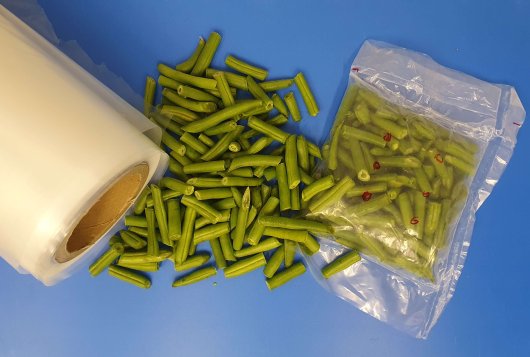
Rodenburg Biopolymers and Wageningen Food & Biobased Research developed a pilot scale production process of a 100% certified renewable packaging film based on side stream starches. The film is claimed to be economic viable due to specific dynamic barrier properties. This film can be an alternative for fossil-based fresh food packaging and a possible high value application of side stream starches. In this project, the usage of the film for the packaging of (fresh-cut) vegetables and fruits was studied.
About the research
The research was performed in three iterations:
- Optimisation of the film by varying the composition of the base resin and the structure of the film. Physical properties and gas barrier permeability were analysed on lab level.
- Classification of products to be packed based on respiration rate and modified atmosphere requirements, followed by shelf life tests.
- Investigation of behaviour of the sustainable packaging film on industrial packaging line of project partner Koninklijke Vezet B.V.
Scientific innovations
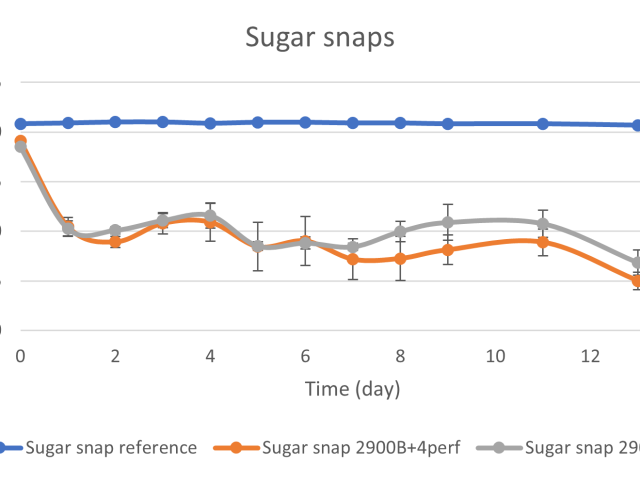
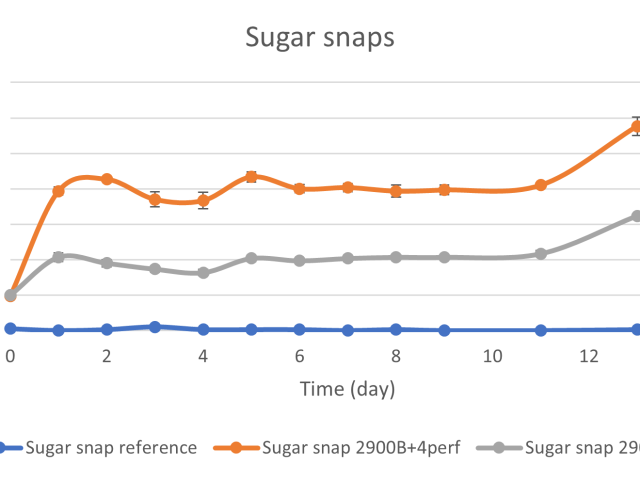
By a specific combination of hydrophilic and hydrophobic polymers, a packaging film with dynamic barrier properties can be created. Thanks to adjustment of the various Gas Transmission Rates, an optimal Modified Atmosphere condition can be reached much faster than by conventional packaging. Due to the dynamic behaviour of the gas barrier, fluctuations in temperature and relative humidity during shelf life are compensated.
Relevance for sector
A packaging film based on side stream starches that assures a longer shelf life of fruit (e.g. grapes) and vegetables (e.g. sugar snaps) is a real breakthrough. This will reduce food waste and diminish the use of fossil based packaging materials.
Take away message
Usage of agricultural side-streams in packaging applications can bring more than only an increase of biobased content. The balance between high food quality, low food waste, and minimum fossil-based package usage can be found.
Project information
How to maintain high product quality of fruit and vegetables while reducing the use of chemical pesticides and environmentally harmful packaging? How do cooperating parties in the chain ensure they can continue supplying fresh, high-quality products? And to what extent van this increase consumption of fruit and vegetables? These and other research questions were examined in the Fresh on Demand project.
Fresh on Demand is co-financed by the Ministry of Agriculture, Nature and Food Quality (TKI, Top Consortia for Knowledge and Innovation), Fresh Produce Center and an extensive group of private companies from growers to suppliers of sensors and technologies.
Want to know more?
Curious to learn more about the results of the project or what experts of Wageningen University & Research can do for your company? Please contact our experts.