
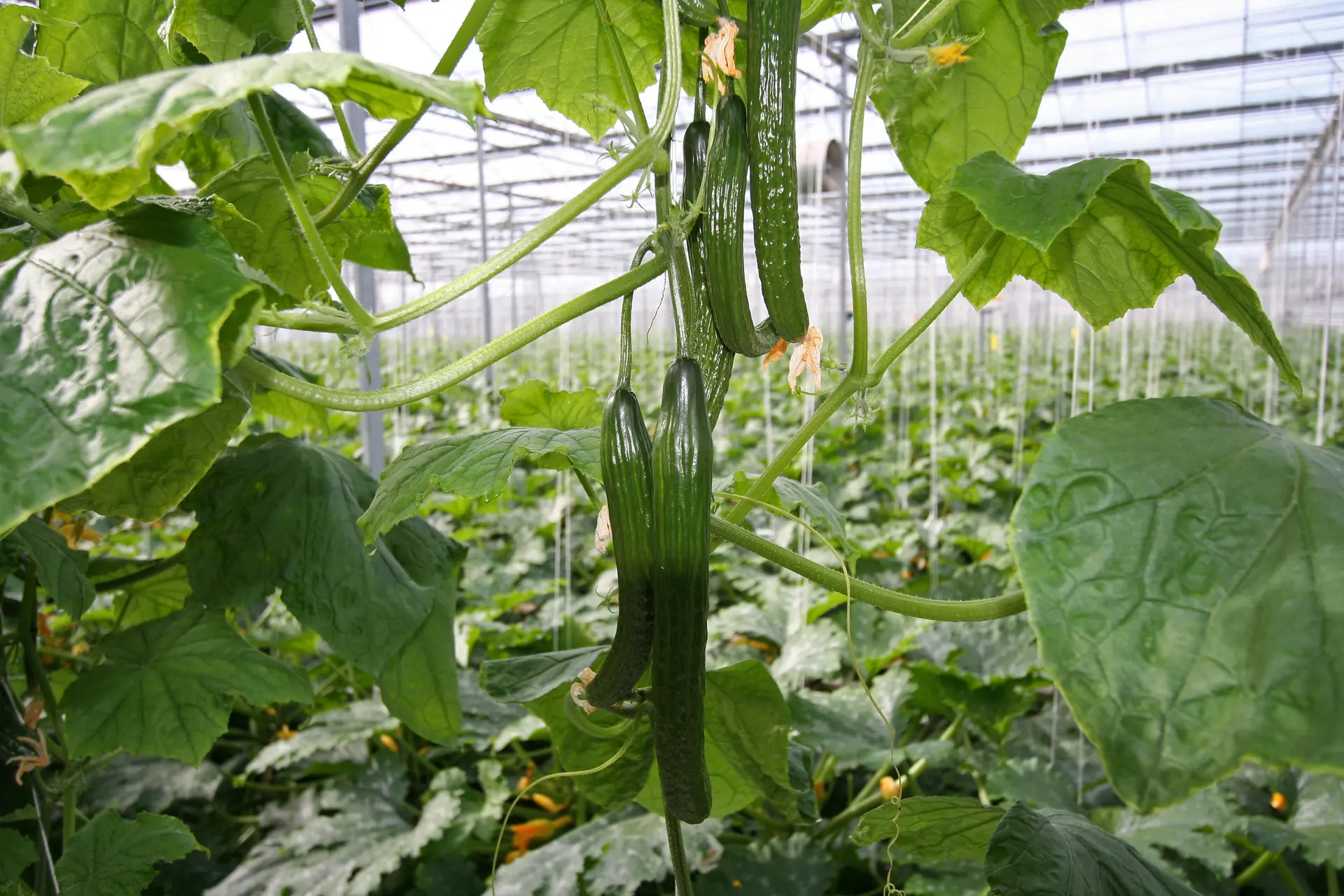
Harvest practices for cucumber
Harvest of cucumbers
Cucumbers are harvested at an immature but commercially developed stage, when they have reached the desired size, colour and firmness for the target market. Harvest timing directly determines market quality. Harvesting should be done carefully and efficiently to minimize physical damage and moisture loss.
The harvest

Harvest method
Cucumbers must be cut from the vine using a sharp knife or clippers, leaving approximately 1 cm of peduncle above the fruit neck.
Cucumbers should never be pulled or torn from the vine. Pulling can damage the fruit tissue at the stem end and may induce a quality disorder known as “pulled end”, which typically becomes visible during storage and marketing. This disorder reduces visual quality and shelf life.
Vacuum cooling is not suitable for cucumbers. Due to cucumber’s high moisture content and relatively weak cell membranes, vacuum-cooled products can experience cellular damage, leading to increased water loss and a shorter shelf life. Forced-air cooling can be used as a pre-cooling method instead. To prevent excessive dehydration, forced-air cooling should be stopped immediately once the product reaches its optimal temperature.
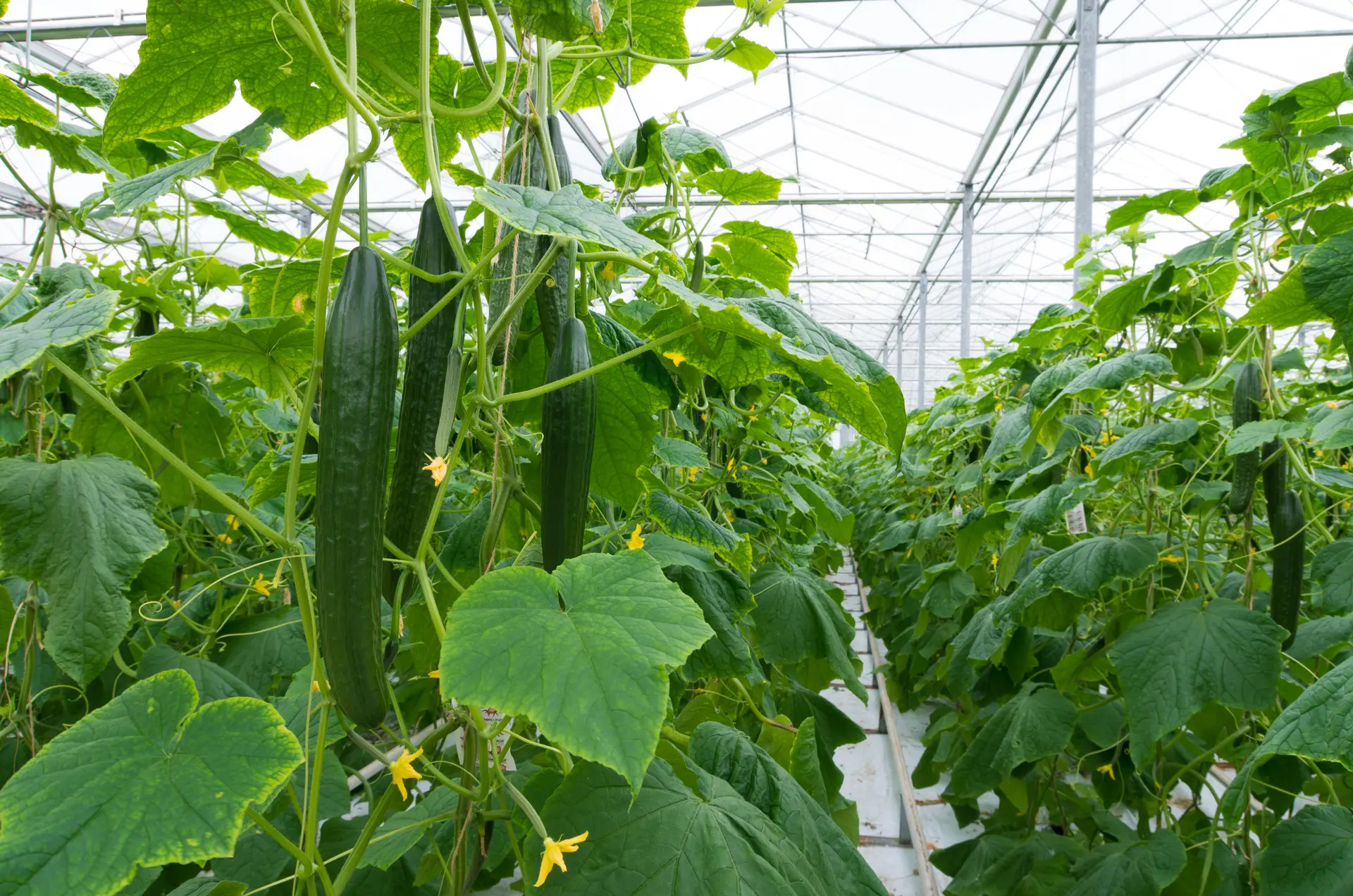
Handling during harvest
Fruits should be handled gently at all times and never dropped. Harvest containers must be smooth, clean and free of sharp edges to avoid surface injuries. In addition, crates should not be overfilled, as excessive stacking pressure can cause compression damage during handling and transport.
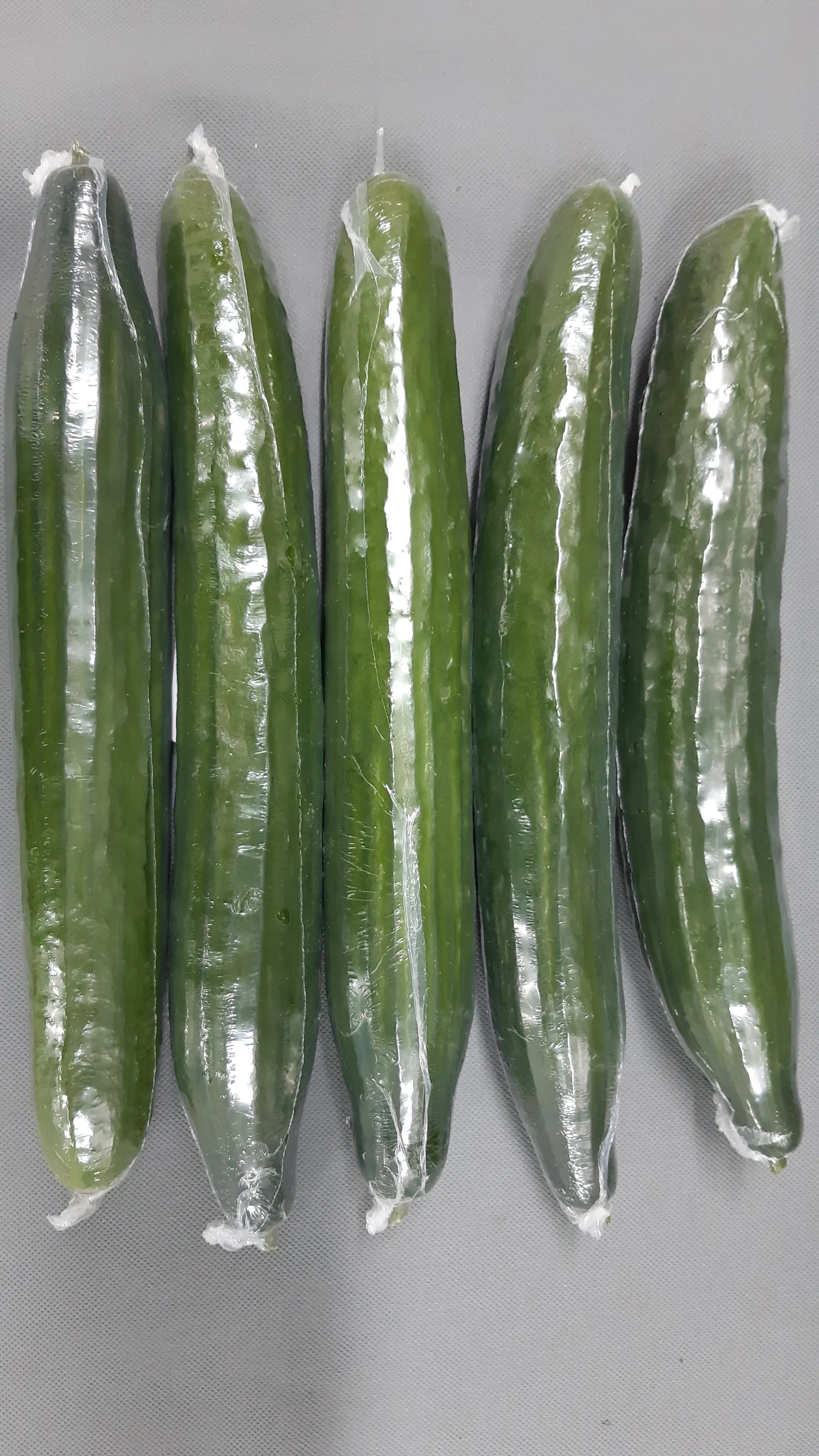
Form and harvest selection
The marketability of cucumbers is strongly influenced by fruit shape, size and uniformity. For international trade and commercial marketing, cucumbers are classified according to the UNECE Standard FFV-15, which defines minimum quality requirements and three quality classes: Extra, Class I and Class II. Harvest selection should already take these class definitions into account, as fruit form cannot be corrected later in the supply chain.
Packhouse practices for cucumbers
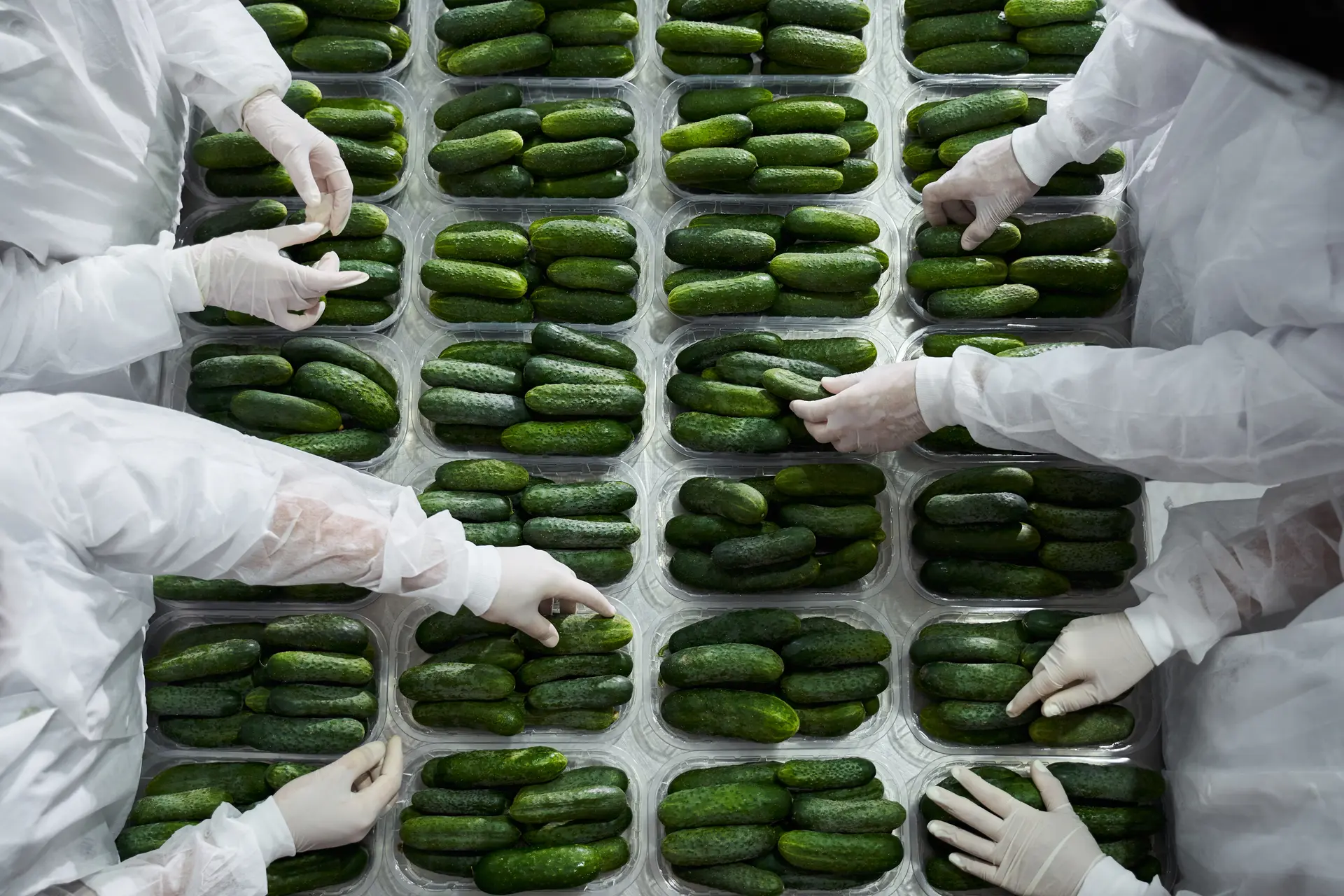
Proper packhouse practices are essential to maintain cucumber quality after harvest. Because cucumbers have a high water content, tender skin and limited storage potential, packhouse operations must focus on minimizing mechanical damage, limiting moisture loss and maintaining appropriate temperature and hygiene conditions. Errors made at this stage can rapidly lead to loss of firmness, visual defects and reduced shelf life.
Reception and unloading
Cucumbers should be transported to the packhouse as soon as possible after harvest. Upon arrival, unloading should be carried out carefully to avoid impacts, compression and abrasion. Field crates should not be dropped or overturned, and exposure to direct sunlight should be avoided to prevent heating and moisture loss.
Sorting and grading
Sorting and grading are essential steps to ensure uniform quality and compliance with market standards. During this process, cucumbers are inspected for mechanical damage, decay, deformation, colour defects and over-maturity. Damaged, misshapen or defective fruit should be removed at an early stage to prevent contamination of higher-quality lots. Grading is typically based on fruit form, size and quality class, in accordance with applicable marketing standards. Uniformity within each package is particularly important for higher quality classes and contributes to consistent presentation and market acceptance.
Cucumber Standards
Straight cucumbers are preferred by the market as they optimize packing density, transport efficiency, mechanical damage reduction, and processing yield (e.g. slicing). Cucumbers with excessive curvature typically have lower commercial value and are marketed in lower classes, specific niche segments, or may contribute to food loss if no suitable outlet is available.