Blockchains and SOPs
Blockchain (Distributed Ledger Technology) is mainly known as the technology behind Bitcoins. However, it also has a beneficial use in supply chains, a topic that is highlighted on this page. It can contribute to strengthening the position of smallholders in developing countries. Anybody with a mobile phone can participate and register their trade data. It is a scalable technology and can make use of smart contracts for automated payments. The implementation of SOPs, standard operating procedures, in a blockchain-enabled supply chain is a golden combination.
Blockchain technology
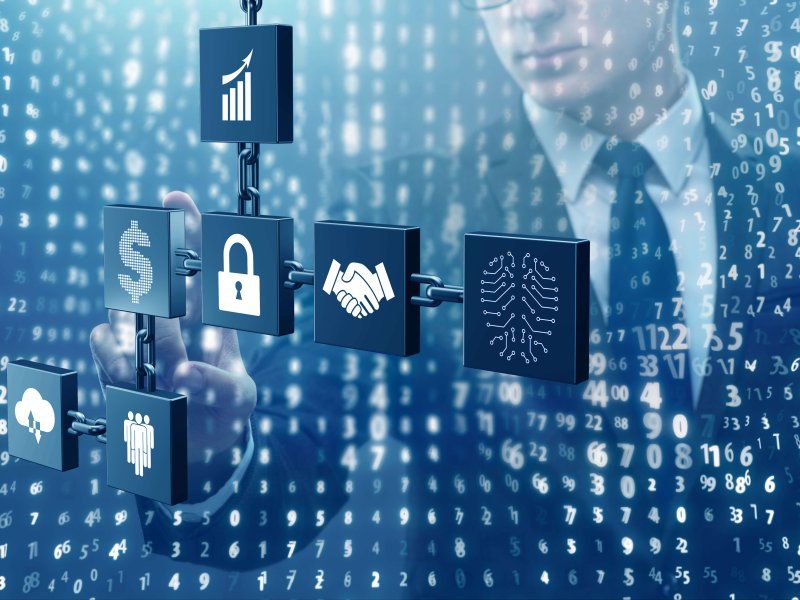
From a technical point of view, a blockchain is a database that is super secure because of cryptographic algorithms. This means that data that are put in a blockchain, such as information about a shipment, information about MRLs etc, cannot be changed by anyone else than the person who puts the information in the blockchain. If you trust that person, than you can trust the information in the blockchain.In the food supply chain, blockchains are mainly used to trace the origin from a food product from retail to farmer, to disclose the global market potential to farmers in developing countries, and for quality control in the chain.
Blockchain application depends on SOPs
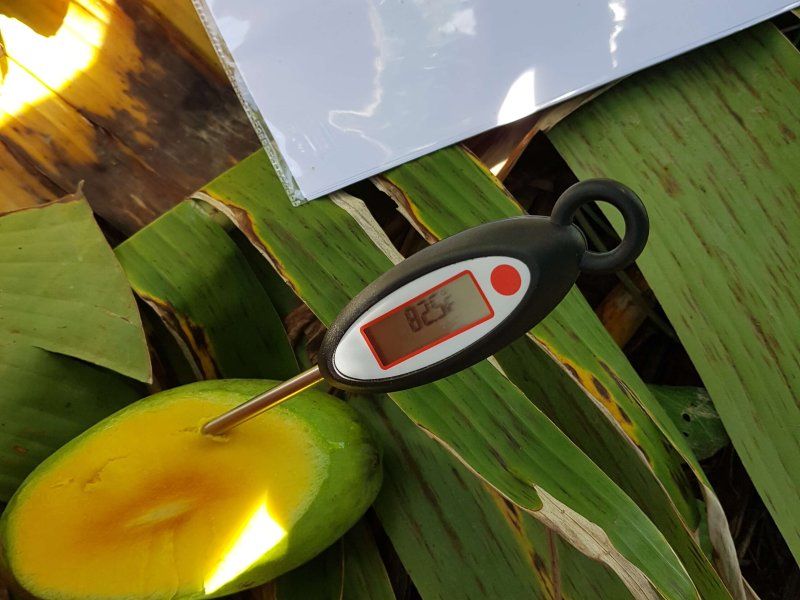
The basis for applying a blockchain in the fresh value chain is a Standard Operating Procedure (SOP). The SOP describes how a product must be handled in each part of the chain. It describes between what limits (time and temperature) this must be done and at which points data need to be registered in the blockchain. WFBR focusses on the development of SOPs for different fresh products that are tailor made for different food systems. These are being used for consistency in quality, market access to more distant and more high-end markets, training and as a basis for a blockchain application.
Useful effects of blockchains
Add Logistical Service Providers to your chain
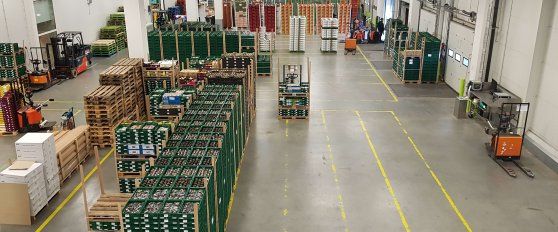
Farmers in developing countries often sell their products farm-gate. Use of a blockchain (based on SOPs) enables them to make use of Service Providers and reach more distant and more high-end markets. The SOPs allow consistency in the supply (quality, shelf-life, packing). Also the traders can focus on providing logistical services as a means to professionalize their business and increase turnover.
Fair Trade 2.0
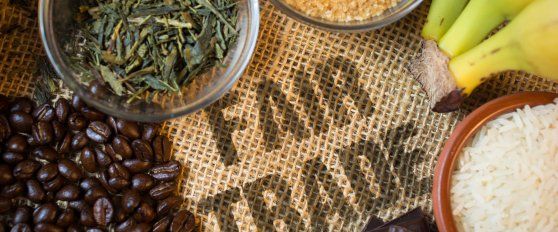
A QR-code on each fruit (or box) allows the consumer to check where the fruit comes from (up to tree level), who the farmer is, and what costs and margins were made in the value chain. It could serve as a substitute for fair trade certification without the need to audit farms. The blockchain technology guarantees that the information is real.
Improved farmer income
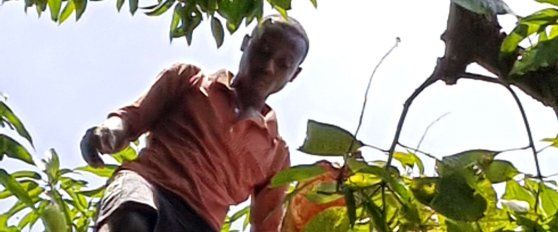
The price farmers receive by selling their products farm-gate to middlemen is low. The farmer is in a weak position. There is a need for cash and often middlemen pre-finance crops, keeping the farmer dependent on him.
If the farmer can retain ownership until final B2B sale in destination, the price received can increase manyfold as it concerns the sales price in the export market minus transport-, handling- and service costs. The risk also moves from trader to farmer though.
SOPs and blockchain registration assures the farmer that the product, which is still owned by the farmer, is handled correctly by the service provider(s).
Investments at farm level
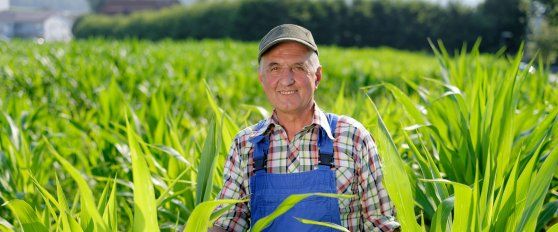
Improved farmer incomes are a key to investments at farm level. These investments are currently often difficult to realize due to the fact that farm-gate selling smallholders get paid prices that only just allow them to survive.
Investments in seeds, new trees, equipment etc. allow production to increase and make improved handling possible. This is a first step in a spiral upwards of more income leading to more investments leading to more income.
Scalable automated financing
If farmers market their produce via an LSP, making use of blockchain, they build a fully reliable commercial track record which can be used by banks or funds to finance investments based on track-record, rather than on collateral.
That leads to an innovative and reliable financing system, which can be fully automated, is very scalable and suitable for any investment level.
Banks can even become part of the blockchain and have their repayments realized automatically via smart contracts.

Extension and dissemination of knowledge
Blockchain in fresh produce relies on SOPs. These SOPs are at the same time a standard for extension workers to inform and train farmers and handlers in how fresh produce is correctly handled.
Food safety
Food safety measures can be built in the SOP and thus in the blockchain. For the fresh fruit and vegetables testing for Maximum Residue Levels (MRLs) is standard. The detected levels can be registered in the blockchain, which ensures to all parties in the fresh supply chain that they have not been tampered with. In the same way, any other market requirement can be included.
How to implement blockchains in your supply chain?
Start with SOPs
Always start with the development of Standard Operating Procedures (SOPs) that describe all handling for the fresh product from harvest to market.

Assure support of the stakeholders
The SOPs must be workable. That means that they should be adapted to the possibilities of the chain partners. It also means that the local sector can make adaptions to the SOPs in mutual agreement as long as the minimum requirements of the market are assured.

Infrastructure
Some produce (e.g. mango or avocado) can be procured in areas at half a day distance from a cold storage facility whereas other produce (e.g. fresh herbs or berries) are excluded if they cannot be cooled within 20 minutes after harvest.
For export markets products must be strictly sorted and graded. This is easiest realized by machine. However, hand sorting and grading is still a possibility.
The importance of pilots
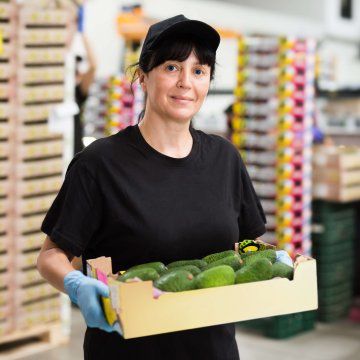
Farmers that are short in cash are reluctant to change to a marketing system involving blockchain that result in the farmer retaining ownership and product risk in return for a higher price. Especially since the payment is realized after final sale.
During a pilot phase, farmers can be guaranteed to receive a minimum price and experience the do's and don'ts of working with a blockchain-enabled supply chain first hand.
Role of existing traders
Existing traders may also benefit from the blockchain:
- Their clients in EU or US may appreciate the fair trade component which can be used as a marketing tool.
- The LSP may lose a huge margin compared to a middleman but the marketing (price) risk disappears and the financial limitation to turnover increase reduces as LSP does not actually buy products.
Role of banks
Banks form part of the blockchain in order to facilitate automated payments in destination as well as in origin. They may include financing possibilities at a later stage, after financial track records of the participants have become available.
More information?
Wageningen Food & Biobased Research is a contract research organization that works together with companies, government authorities and other knowledge institutes. Postharvest consultancy is one of our areas of expertise.
Do you want to know more about Block chains in the International Supply Chain? Please contact our experts.