Managing humidity conditions
In addition to temperature, the humidity of the atmosphere is an important determining condition to preserve quality of fresh products after harvest. Here we explain the basic concepts and discuss how the moisture conditions affect the product. How can it be controlled in practice?
Effects humidity conditions on product quality
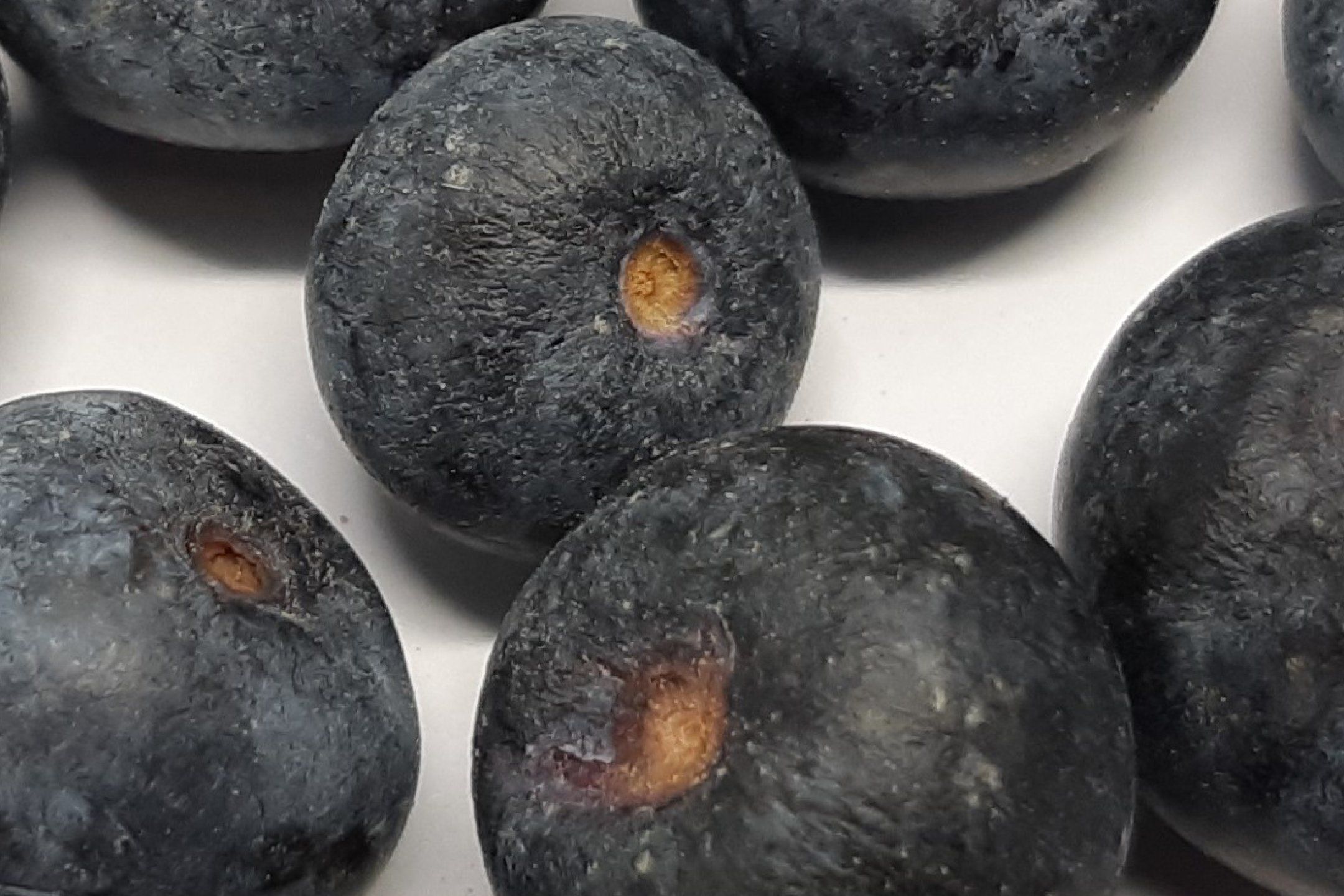
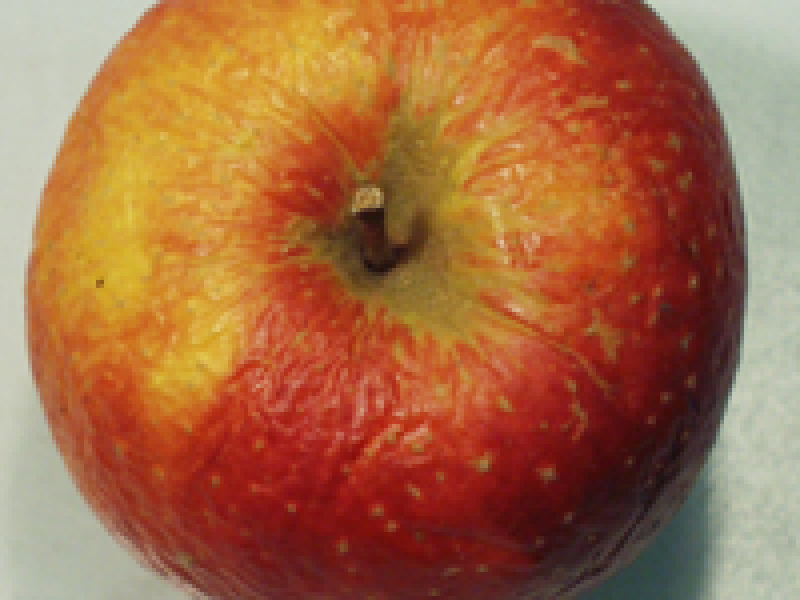
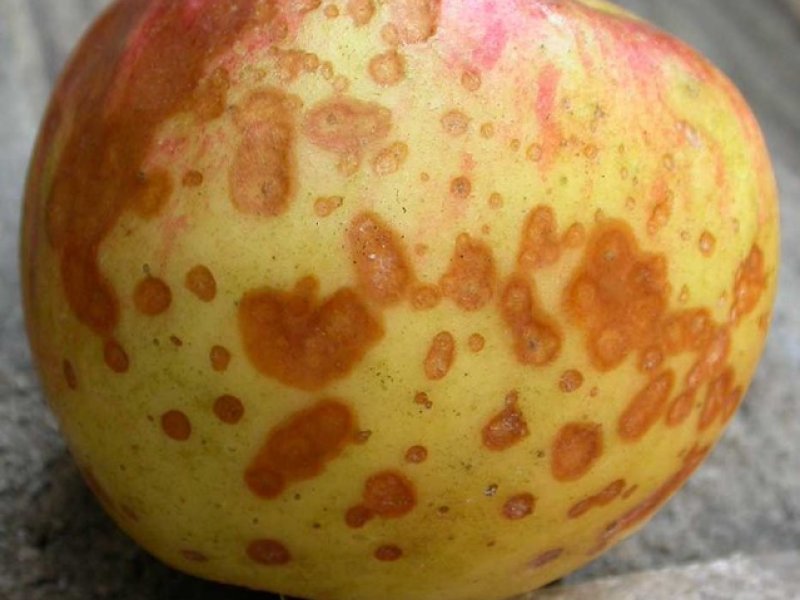
High humidity can cause all kinds of abnormalities such as internal browning and mould development. During storage of apples, a (too) high humidity can lead to internal brown discolouration, because waste products cannot be disposed of properly. Too low humidity can cause the product to lose weight, dry out and shrivel. That is why the right humidity is essential to maintain the moisture loss and thus the quality after harvest. Do you want to know more about the theory of humidity? Then first read more about the theory at the end of this page.
Interaction product and environment
There is an interaction between the water in the product and the air around the product. It is assumed that the relative humidity in a fruit or in a leaf is close to 100% near the product surface. In the ambient air, the humidity is often lower, causing water to escape from the product to the air. The difference in moisture content between product and air is the driving force for moisture loss, this is called the vapor pressure deficit. This increases at a higher temperature and/or greater difference in relative humidity. The greater the difference between the vapor pressure of the product surface and the ambient air, the more water the product will lose.
Managing moisture loss
Optimizing the refrigeration process, taking into account the humidity requirements of the stored product, is important. When controlling moisture loss in a storage area, factors such as the type of product, varieties and type of packaging must be taken into account.
Cooling actions
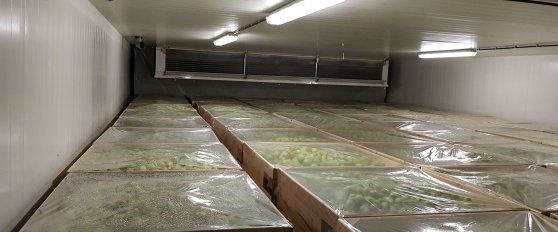
The cooling actions will affect the moisture loss of a product. When the evaporator of the refrigeration system is switched on, moisture from the cold air will condense on the cold surface of the evaporator. This dry cold air is recirculated in the room. This cools the products but also increases moisture loss.

Ventilation and humidity
Only looking at the cooling behavior is not enough. The circulation in the storage room must be sufficient to distribute the air in such a way that a homogeneous product temperature is created. Too high and/or prolonged circulation with drier air, can dry out the product, as the boundary layer between the product and the air is disturbed and as a result the vapor pressure deficit increases.
If the humidity is too low, a humidification system can be applied in several ways: Centrifugal, ultrasonic or nozzle humidification systems.
Read here more about humidification during storage.
Packaging to prevent moisture loss
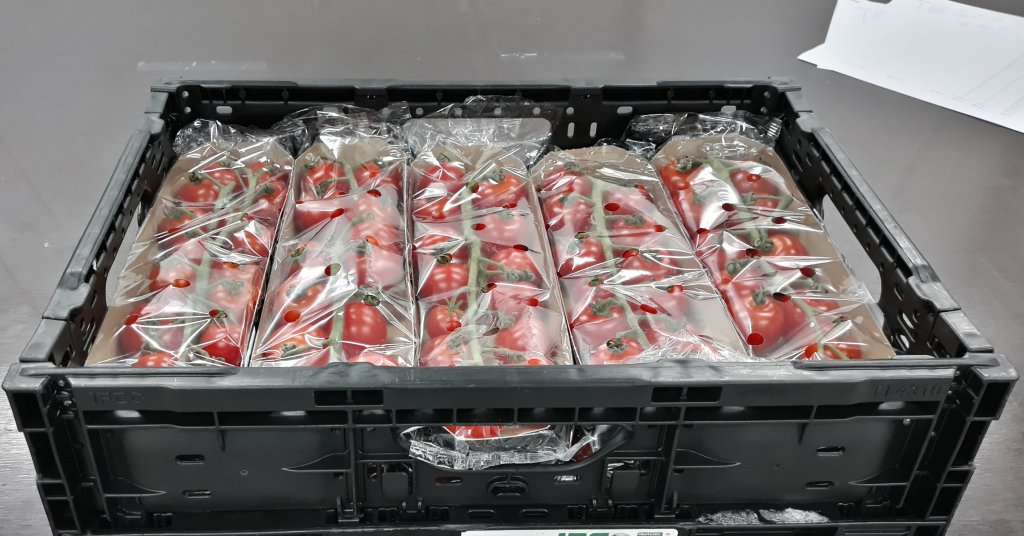
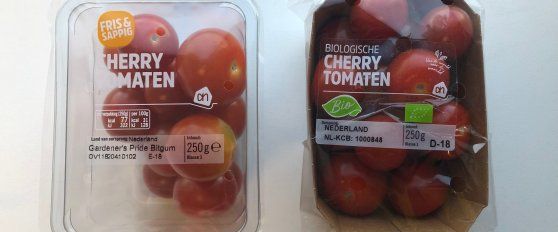
Packaging has several purposes and one of them is to create the right humidity to maintain quality. Depending on the product, the packaging will be completely closed or have perforations that allow some air circulation. The packaging creates a barrier that increases humidity and thus reduces moisture loss.
Read here more about packaging of fresh produce.
Monitoring moisture loss
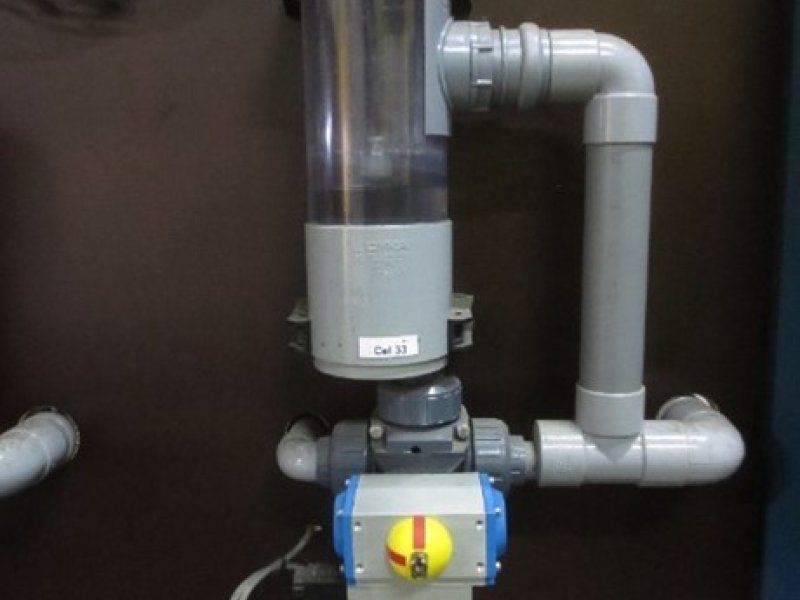
The easiest way to determine moisture loss of products is by weighing upon entry and during/after storage. This can be used to calculate the percentage of weight loss: %Weight Loss = 100% x (Start Weight-End Weight)/Start Weight. The moisture loss of a storage space can be collected and measured if it is not opened for a longer period of time (for example in CA cells). The condensed water coming out of the evaporator gives a reasonable indication of the amount of moisture lost from the product. Based on this, malfunctions can be noticed or it can be used to determine whether humidification is necessary. Depending on the type of fruit and the variety, an indication is available of the desired amount of moisture loss. The amount of water is expressed in liters of water per tonne of fruit per month.
Trends in moisture management
Ultrasonic humidification in a supermarket
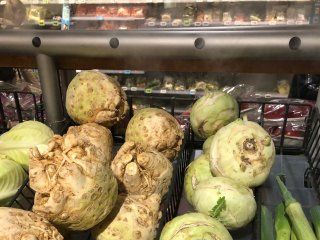
To keep the moisture levels high in fresh products, supermarkets may use ultrasonic humidification systems. The principle is limited to products that are not fully packed. The droplets are so small that they can float in the air instead of falling on the product. In this way, the products remain dry in a humid environment and dehydration of the product is limited.

Coating as alternative for packaging
A coating is applied postharvest with the intention of keeping the product fresh for longer, often in combination with other postharvest technologies. Usually the coating is made on the basis of plant material, so that it is also safe to eat. It creates a barrier against water loss and can play an aesthetic role as it makes coated products more glossy. In some cases, it can reduce the need for packaging by contributing to a modified atmosphere effect.
Microbial infection
In recent years, the use of chemical pesticides has become stricter and - with a view to health and the environment - this trend will continue. This can lead to more quality loss and/or product spoilage due to the presence of pests and infections after harvest. That is why innovative solutions, in combination with good postharvest management, including in the field of moisture control, must be found to prevent food losses in the value chain.
Examples in practice moisture related problems
Theory humidity
More information?
Wageningen Food & Biobased Research is a contract research organization that works together with companies, government authorities and other knowledge institutes. Postharvest consultancy is one of our areas of expertise.
Do you want to know more about dealing with ethylene and ripening? Please contact our experts.